


- Bestselgere
- COVID-19
- Alkoholisme
- Allergi
- Anti Sopp
- Alzheimers Sykdom
- Antiviral Midler
- Anti-depressiva
- Betennelsesdempende
- Antibakteriell
- Antibiotika
- Antiparasittmiddel
- Gikt
- Astma
- Prevensjon
- Blodtrykk
- Kreft
- Kardiovaskulær
- Kolesterol
- Diabetes
- Diuretika
- Erektil Dysfunksjon
- Øyedråper
- Gastro Helse
- Generell Helse
- Håravfall
- Hepatitt C Virus (HCV)
- Urter
- HIV
- Hormoner
- Menns ED Pakker
- Menns Helse
- Psykisk Sykdom
- Reisesyke
- Muskelrelakserende
- Smertestillende
- Parkinsons Sykdom
- Røykeslutt
- Hudpleie
- Søvnhjelp
- Vekttap
- Veterinære Legemidler
- Vitaminer
- Kvinners Helse
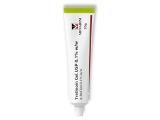
Generic A-Ret ( Tretinoin )

A-Ret Tretinoin Gel for Acne and Photoaging Care
A-Ret is a topical tretinoin product, a retinoid related to vitamin A, used mainly for acne vulgaris and sometimes prescribed for selected signs of photoaging. Tretinoin increases epidermal cell turnover, helps prevent comedones from forming, and can gradually improve uneven texture and fine lines when it is used consistently under an appropriate skin-care plan.
- Primary use: treatment of acne, including whiteheads, blackheads, and inflammatory lesions when prescribed.
- Application: a pea-sized amount is generally spread as a thin film over dry affected skin once daily at night, unless the prescriber directs otherwise.
- Essential protection: use broad-spectrum sunscreen and minimize sun exposure because tretinoin can increase irritation and sun sensitivity.
- Do not use: after an allergy to tretinoin or product ingredients; ask a clinician before use in pregnancy or breastfeeding.
What is A-Ret and how does tretinoin work?
A-Ret contains tretinoin, also called all-trans retinoic acid, a topical retinoid. It binds retinoic-acid receptors in the skin and alters keratinocyte differentiation and turnover. In acne-prone follicles, this reduces abnormal shedding of cells that can mix with sebum and form comedones. The result is gradual improvement, not overnight clearing; during the first weeks, acne or irritation can appear worse before the skin adapts.
To buy A-Ret safely, confirm the prescribed concentration and formulation with a licensed pharmacy rather than substituting a different retinoid on your own. A-Ret price can differ by strength, gel or cream base, tube size, and local availability.
Which skin conditions can A-Ret treat?
Tretinoin is commonly used for acne vulgaris, particularly comedonal acne involving whiteheads and blackheads. Some clinicians prescribe it for fine lines, mottled hyperpigmentation, and rough texture related to chronic sun exposure. It is not a spot treatment for a single pimple, a treatment for eczema or rosacea, or a bleaching product for all pigment conditions. Persistent acne scarring, painful cysts, sudden adult acne, or darkening after irritation should be evaluated individually.
How should A-Ret be applied and what are its dosage variants?
Wash with a gentle cleanser, pat skin completely dry, and wait 20 to 30 minutes before application if washing causes stinging. Apply a pea-sized amount in a thin layer to the full acne-prone area, avoiding the eyes, eyelids, lips, corners of the nose, broken skin, and sunburned areas. Do not use extra product to speed results. If significant irritation occurs, the prescriber may recommend less frequent use or a different strength.
Where these concentrations are prescribed, buy A-Ret 0.025%, 0.05%, or 0.1% only as directed. A-Ret price should be checked for the identical concentration and vehicle because gel and cream products can feel and perform differently on the skin.
What should happen after a missed A-Ret application?
Apply the next dose at the usual time. If it is remembered earlier the same evening, it may be applied if the skin is clean and dry, but do not apply twice or use a larger amount. Overapplication usually increases redness and peeling rather than effectiveness.
What are the most common side effects of A-Ret?
Redness, dryness, tightness, peeling, burning, stinging, itching, and temporary worsening of acne are common, especially during the first several weeks. These effects may be reduced with a mild cleanser, non-comedogenic moisturizer, sunscreen, and a slower introduction schedule prescribed by a clinician. Stop use and seek medical advice for severe swelling, blistering, crusting, intense pain, or signs of an allergic reaction.
What are the long-term side effects of A-Ret?
With long-term appropriate use, irritation and photosensitivity remain the main practical concerns. Excessive dryness or dermatitis can leave post-inflammatory discoloration, particularly in deeper skin tones, so tolerability matters as much as strength. Continue sun protection every day, including on cloudy days. A clinician should reassess persistent irritation, ongoing cystic acne, pigmentation changes, or lack of improvement after an adequate treatment period.
Which products interact with A-Ret?
Using several irritating products at once can damage the skin barrier. Use caution with benzoyl peroxide, salicylic acid, glycolic acid, lactic acid, sulfur, resorcinol, alcohol-containing toners, abrasive scrubs, depilatories, astringents, and medicated soaps. Benzoyl peroxide can also affect the stability of some tretinoin formulations, so ask a clinician how to separate applications. Tell the prescriber about prescription creams, chemical peels, laser procedures, waxing, and other acne treatments.
How does A-Ret interact with alcohol?
Tretinoin applied to the skin has no meaningful systemic alcohol interaction, but alcohol-containing skin products can intensify dryness, burning, and peeling. Avoid using harsh alcohol-based toners on areas treated with A-Ret. Alcoholic drinks do not improve acne treatment and may worsen flushing or skin-care adherence in some people.
Is A-Ret safe during pregnancy or breastfeeding?
Do not use topical tretinoin during pregnancy unless a qualified clinician specifically determines that it is appropriate. Although absorption through intact skin is lower than with oral retinoids, avoiding topical retinoids in pregnancy is commonly recommended as a precaution. If pregnancy occurs or is suspected, stop using the product and contact the prescriber. Breastfeeding patients should also seek advice and avoid applying tretinoin where an infant could contact or ingest it.
Who should not use A-Ret?
Do not use A-Ret after a known allergy to tretinoin or any ingredient in the product. Avoid use on eczema, cuts, sunburn, severely inflamed skin, or skin recovering from aggressive procedures unless a clinician has given specific directions. People who are unusually sensitive to sunlight, taking photosensitizing medicines, or using other retinoids need individualized advice.
What should be done after too much A-Ret is applied?
Excessive topical application may cause marked redness, dryness, burning, peeling, or swelling. Gently wash off remaining product if needed, stop further use, use bland moisturizer, and ask a clinician or pharmacist for advice. If a large amount is swallowed, or if there is significant eye exposure, seek prompt medical advice.
How should A-Ret be stored and obtained?
Keep the tube tightly closed at room temperature, away from excess heat, direct light, and moisture, and out of reach of children. Do not share topical medicines. When choosing where to buy A-Ret, confirm the name, concentration, expiry date, and directions. Anyone who plans to buy A-Ret should first confirm the product is suitable for their prescribed skin-care plan. The final A-Ret price depends on the prescribed formulation and tube size.
This page provides general information and is not a substitute for personalized dermatology care, diagnosis, or prescribing.


| Leveringsmåte | Leveringstid | Pris | |
 Luftpost tjeneste Levering Luftpost tjeneste Levering |
14-21 dager | 14.95$ | Sporing # tilgjengelig i 4 dager |
 Sporbar tjeneste Levering Sporbar tjeneste Levering |
9-14 dager | 30$ | Sporing # tilgjengelig i 2 dager |
- Frakt over hele verden
- Konfidensialitet og anonymitet garanti
- Trygt og sikkert
- Diskrete pakker
- Afsendelse af ordrer indenfor 24 timer
- 100% levering success