


- Best-sellers
- COVID-19
- Alcolismo
- Antiallergico
- Antinfiammatori
- Morbo Di Alzheimer
- Antivirali
- Antidepressivi
- Antinfiammatorio
- Antibatterico
- Antibiotici
- Antiparassitario
- Artrite
- Asma
- Controlla Della Nascite
- Pressione Arteriosa Sistemica
- Сancro
- Malattie Cardiovascolari
- Colesterolo
- Diabete
- Diuretici
- Disfunzione Erettile
- Goccia Per Gli Occhi
- Tratto Gastrointestinale
- Stato Generale Di Salute
- Perdita Di Capelli
- Virus Dell'epatite C (HCV)
- Prodotti Di Erboristeria
- HIV
- Ormoni
- Confezioni DE Uomo
- Salute Dell' Uomo
- Disordini Mentali
- Chinetosi
- Rilassanti Muscolari
- Sollievo Dal Dolore
- Morbo Di Parkinson
- Smettere Di Fumare
- Cura Della Pelle
- Dormire Aiuti
- Perdita Di Peso
- Medicinali Veterinari
- Vitamine
- Salute Della Donna
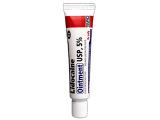
Generic Xylocaine ( Lidocaine )

Xylocaine: uses, dosage, safety, and treatment guidance
Xylocaine is a amide local anesthetic and class IB antiarrhythmic used to produce local or regional anesthesia and, with intravenous cardiac formulations, treat selected ventricular arrhythmias. The active ingredient is lidocaine hydrochloride, marketed in various regions under Xylocaine and other lidocaine local-anesthetic products.
- Indications: topical, infiltration, nerve-block, epidural, or spinal anesthesia using route-specific products; acute ventricular arrhythmia treatment with monitored intravenous injection.
- Dosage: strictly limited by route, concentration, body weight, site vascularity, age, liver and heart function, and whether epinephrine is included.
- Contraindications: serious hypersensitivity to amide local anesthetics; route-specific contraindications include severe conduction disease without pacing, infection at injection site, or unsuitable neuraxial conditions.
What is Xylocaine used for?
Xylocaine is prescribed for carefully selected patients when its expected clinical benefit outweighs its condition-specific risks.
Topical, infiltration, nerve-block, epidural, or spinal anesthesia using route-specific products; acute ventricular arrhythmia treatment with monitored intravenous injection. Diagnosis matters because similar symptoms can arise from conditions that need different treatment. A prescriber considers medical history, current medicines, examination findings, laboratory data, and treatment goals before choosing this drug.
How does Xylocaine work?
Lidocaine blocks voltage-gated sodium channels from inside excitable cells, preventing nerve impulse initiation and conduction. In cardiac tissue it suppresses abnormal ventricular automaticity and conduction.
The pharmacologic effect does not make the medicine suitable for every person with similar symptoms. Patients who plan to buy Xylocaine should verify the diagnosis and prescription first, because Xylocaine price cannot substitute for clinical selection, monitoring, or authentic supply.
How should Xylocaine be taken or used?
Use only the product intended for the body site and route. Do not swallow excessive oral or throat anesthetic, eat while the mouth is numb, apply to large broken areas, or inject a topical product. Dosing by trained clinicians accounts for all lidocaine sources.
Read the dispensing label every time, use the correct measuring or administration device, and never share prescription medicine. Contact the care team before changing the schedule, crushing a dosage form, switching formulations, or stopping long-term therapy.
Which Xylocaine dosage variants are available?
Common marketed variants include 0.5%, 1%, 1.5%, and 2% injections with or without epinephrine; 2% viscous oral solution or jelly; 4% topical solution; 5% ointment; and 10% topical spray, with route-specific packaging.
Availability and licensed indications differ by country and manufacturer. When comparing where to buy Xylocaine 0.5%, 1%, 1.5%, and 2% injections with or without epinephrine; 2% viscous oral solution or jelly; 4% topical solution; 5% ointment; and 10% topical spray, with route-specific packaging, confirm the precise strength, dosage form, route, and package directions rather than choosing by Xylocaine price alone. Products with different release characteristics, concentrations, or routes may not be interchangeable.
What are the most common side effects of Xylocaine?
The more frequently reported effects include temporary burning, numbness beyond the intended area, dizziness, drowsiness, nausea, metallic taste, or local irritation.
Not every patient experiences these reactions, and their likelihood depends on dose, formulation, duration, health status, and other medicines. Record when symptoms begin and whether they follow a dose. Persistent, worsening, or function-limiting effects should be discussed rather than managed by an unapproved dose change.
Which serious effects require urgent medical care?
Ringing in the ears, circumoral numbness, confusion, tremor, seizure, severe drowsiness, slow breathing, low blood pressure, abnormal heartbeat, or allergic swelling requires emergency care. These can signal local-anesthetic systemic toxicity.
Emergency warning signs should not be watched at home while waiting for the next routine appointment. Bring the medication package and a current medicine list when seeking urgent help so clinicians can identify the active ingredient, strength, and possible interaction.
Which medicines and substances interact with Xylocaine?
Other local anesthetics, class I antiarrhythmics, amiodarone, beta blockers, cimetidine, strong CYP inhibitors, and medicines lowering seizure threshold can increase toxicity. Epinephrine-containing products add cardiovascular cautions and interactions.
Give the prescriber and pharmacist a complete list of prescription drugs, nonprescription products, vitamins, supplements, and recreational substances. Interaction risk can arise when another drug is started, stopped, or dose-adjusted, even after a stable period on treatment.
Can Xylocaine be used with alcohol?
Alcohol advice depends on the indication, formulation, organ function, and other medicines, so an individualized recommendation is safer than assuming that moderate use is harmless.
Alcohol may worsen dizziness, sedation, dehydration, low blood pressure, impaired glucose control, gastrointestinal irritation, or liver stress where those effects are relevant. Avoid alcohol when the prescriber or product information advises it, and never drive when treatment or alcohol impairs alertness.
Is Xylocaine safe during pregnancy or breastfeeding?
Lidocaine is widely used when local anesthesia is needed during pregnancy or breastfeeding, but dose, route, maternal disease, and infant exposure still require professional assessment.
Tell the prescriber about pregnancy plans, a positive test, breastfeeding, or fertility concerns before treatment whenever possible. Exposure decisions should consider gestational timing, dose, route, untreated disease, safer alternatives, and infant factors.
What monitoring is needed during Xylocaine treatment?
Clinicians monitor total milligram dose, injection aspiration, consciousness, breathing, blood pressure, ECG, neurologic symptoms, and recovery. Home topical use requires strict area, duration, and swallowing precautions.
Keep scheduled reviews and report new symptoms between visits. Monitoring is intended to detect loss of effectiveness, organ toxicity, interaction effects, and the need for dose adjustment before a preventable complication becomes severe.
What should be done after a missed dose or overdose?
Many Xylocaine products are procedure-based or used as needed, so missed dosing is uncommon. Excess exposure or accidental ingestion can cause seizures, respiratory failure, and cardiac arrest and needs emergency care.
Do not induce vomiting or improvise a corrective dose. Exact advice depends on the amount, time, formulation, symptoms, age, and medical history, so provide those details promptly to a poison center or emergency clinician.
How should Xylocaine be stored and obtained?
Store each route-specific product at its labeled temperature protected from contamination and excessive heat. Keep sprays, gels, injections, and oral solutions separated to prevent route errors.
Before deciding to buy Xylocaine, confirm the authorized dosage form, intact packaging, expiration date, and required monitoring. Xylocaine price should remain secondary to prescription accuracy, storage integrity, and licensed dispensing.
People who buy Xylocaine should use a licensed pharmacy and contact a qualified clinician if the supplied product differs from the prescription or expected appearance.
Medical information disclaimer
This page provides general education and does not replace diagnosis, prescribing, monitoring, or emergency care. Follow the instructions supplied by the treating clinician and the medicine’s approved local labeling.


| Modo di spezione | Ora di consegna | Prezzo | |
 Posta Prioritaria Internazionale Consegna Posta Prioritaria Internazionale Consegna |
14-21 giorni | 10$ | Tracking# disponibile in 4 giorni |
 Servizio di corriere rintracciabile Consegna Servizio di corriere rintracciabile Consegna |
9-14 giorni | 30$ | Tracking# disponibile in 2 giorni |
- Spedizione internazionale
- Garanzia di riservatezza e anonimato
- Sicurezza e protezione
- Confezioni discrete
- Consegna ordini entro 24 ore
- Spedizione assicurata al 100%