


- Vendidos
- COVID-19
- Alcoholismo
- Alergia
- Antifúngicos
- Enfermedad De Alzheimer
- Antiviral
- Antidepresivos
- Antiinflamatorio
- Antibacteriano
- Antibioticos
- Antiparasitario
- Artritis
- Asma
- Método Anticonceptivo
- Tensión Arterial
- Cáncer
- Cardiovascular
- Colesterol
- Diabetis
- Diurético
- Disfunción Erectiva
- Colirio
- Salud De Gastro
- Salud General
- Pérdida De Pelo
- Virus De La Hepatitis C (VHC)
- De Hiebas
- HIV
- Hormonas
- Paquetes ED De Hombres
- Salud Masculina
- Enfermedad Mental
- Cinetosis
- Relajante Muscular
- Alivio De Dolor
- Enfermedad De Parkinson
- Dejar De Fumar
- Cuidado De Piel
- Recursos De Dormir
- Pérdida De Peso
- Medicamentos Veterinarios
- Vitaminas
- Salud Femenina
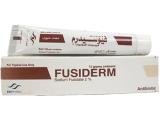
Generic Betamethasone And Fusidic Acid ( Betamethasone and Fusidic Acid )

Betamethasone and Fusidic Acid: uses, dosage, safety, and treatment guidance
Betamethasone and Fusidic Acid is a topical corticosteroid and fusidane antibiotic combination used to treat a short course of inflamed dermatosis when susceptible bacterial infection is also present. The active ingredient is betamethasone and fusidic acid, marketed in various regions under Fucibet, Fucicort, and region-specific generic betamethasone-fusidic acid products.
- Indications: infected eczema or dermatitis caused or complicated by susceptible bacteria, when both anti-inflammatory corticosteroid action and topical antibacterial treatment are clinically appropriate.
- Dosage: applied as a thin layer for a short prescribed course, commonly once or twice daily, with limits based on strength, skin site, age, surface area, occlusion, response, and infection severity.
- Contraindications: hypersensitivity, untreated fungal or viral skin disease, rosacea, perioral dermatitis, acne vulgaris, ulcerated lesions, or infection not susceptible to fusidic acid.
What is Betamethasone and Fusidic Acid used for?
Betamethasone and Fusidic Acid is prescribed for carefully selected patients when its expected clinical benefit outweighs its condition-specific risks.
Infected eczema or dermatitis caused or complicated by susceptible bacteria, when both anti-inflammatory corticosteroid action and topical antibacterial treatment are clinically appropriate. Diagnosis matters because similar symptoms can arise from conditions that need different treatment. A prescriber considers medical history, current medicines, examination findings, laboratory data, and treatment goals before choosing this drug.
How does Betamethasone and Fusidic Acid work?
Betamethasone binds glucocorticoid receptors and suppresses inflammatory gene signaling, vasodilation, edema, and immune-cell activity. Fusidic acid inhibits bacterial protein synthesis by interfering with elongation factor G, acting mainly against susceptible staphylococci.
The pharmacologic effect does not make the medicine suitable for every person with similar symptoms. Patients who plan to buy Betamethasone and Fusidic Acid should verify the diagnosis and prescription first, because Betamethasone and Fusidic Acid price cannot substitute for clinical selection, monitoring, or authentic supply.
How should Betamethasone and Fusidic Acid be taken or used?
Apply a thin film only to the diagnosed area, wash hands afterward, and avoid eyes, face, folds, genitals, broken skin, and occlusive dressings unless specifically instructed. Do not extend the course when redness improves because unnecessary antibiotic exposure promotes resistance.
Read the dispensing label every time, use the correct measuring or administration device, and never share prescription medicine. Contact the care team before changing the schedule, crushing a dosage form, switching formulations, or stopping long-term therapy.
Which Betamethasone and Fusidic Acid dosage variants are available?
Common marketed variants include cream or ointment containing fusidic acid 2% with betamethasone valerate 0.1%; some markets express the corticosteroid as 0.12% betamethasone valerate equivalent to 0.1% betamethasone.
Availability and licensed indications differ by country and manufacturer. When comparing where to buy Betamethasone and Fusidic Acid cream or ointment containing fusidic acid 2% with betamethasone valerate 0.1%; some markets express the corticosteroid as 0.12% betamethasone valerate equivalent to 0.1% betamethasone, confirm the precise strength, dosage form, route, and package directions rather than choosing by Betamethasone and Fusidic Acid price alone. Products with different release characteristics, concentrations, or routes may not be interchangeable.
What are the most common side effects of Betamethasone and Fusidic Acid?
The more frequently reported effects include application-site burning, itching, irritation, dryness, redness, rash, and temporary discomfort.
Not every patient experiences these reactions, and their likelihood depends on dose, formulation, duration, health status, and other medicines. Record when symptoms begin and whether they follow a dose. Persistent, worsening, or function-limiting effects should be discussed rather than managed by an unapproved dose change.
Which serious effects require urgent medical care?
Rapidly spreading infection, fever, facial swelling, severe blistering, eye exposure with visual symptoms, skin thinning, stretch marks, or adrenal-suppression symptoms requires review. Prolonged use can mask infection, worsen resistant bacteria, and cause systemic corticosteroid effects.
Emergency warning signs should not be watched at home while waiting for the next routine appointment. Bring the medication package and a current medicine list when seeking urgent help so clinicians can identify the active ingredient, strength, and possible interaction.
Which medicines and substances interact with Betamethasone and Fusidic Acid?
Other topical or systemic corticosteroids add skin, eye, glucose, bone, and adrenal risks. Other topical products can dilute treatment or increase irritation; systemic fusidic-acid interactions are not expected from limited topical use but extensive damaged-skin application raises absorption concerns.
Give the prescriber and pharmacist a complete list of prescription drugs, nonprescription products, vitamins, supplements, and recreational substances. Interaction risk can arise when another drug is started, stopped, or dose-adjusted, even after a stable period on treatment.
Can Betamethasone and Fusidic Acid be used with alcohol?
Alcohol advice depends on the indication, formulation, organ function, and other medicines, so an individualized recommendation is safer than assuming that moderate use is harmless.
Alcohol may worsen dizziness, sedation, dehydration, low blood pressure, impaired glucose control, gastrointestinal irritation, or liver stress where those effects are relevant. Avoid alcohol when the prescriber or product information advises it, and never drive when treatment or alcohol impairs alertness.
Is Betamethasone and Fusidic Acid safe during pregnancy or breastfeeding?
Use during pregnancy or breastfeeding only when a clinician judges a short, limited-area course necessary. Avoid extensive or prolonged application, and do not apply to the breast where an infant could ingest or contact the medicine.
Tell the prescriber about pregnancy plans, a positive test, breastfeeding, or fertility concerns before treatment whenever possible. Exposure decisions should consider gestational timing, dose, route, untreated disease, safer alternatives, and infant factors.
What monitoring is needed during Betamethasone and Fusidic Acid treatment?
Reassess redness, warmth, exudate, pain, lesion size, bacterial response, irritation, skin thinning, and duration. Lack of improvement, recurrent infection, or rapid relapse may require culture, a different antibiotic, or a nonsteroid diagnosis.
Keep scheduled reviews and report new symptoms between visits. Monitoring is intended to detect loss of effectiveness, organ toxicity, interaction effects, and the need for dose adjustment before a preventable complication becomes severe.
What should be done after a missed dose or overdose?
Apply a missed dose when remembered unless the next is near and never use extra. Accidental ingestion, extensive application, or prolonged misuse can cause antibiotic or corticosteroid toxicity and warrants medical advice.
Do not induce vomiting or improvise a corrective dose. Exact advice depends on the amount, time, formulation, symptoms, age, and medical history, so provide those details promptly to a poison center or emergency clinician.
How should Betamethasone and Fusidic Acid be stored and obtained?
Store the tube at its labeled room temperature away from excessive heat and light. Keep it tightly closed, prevent nozzle contamination, observe the after-opening discard period, and secure it from children.
Before deciding to buy Betamethasone and Fusidic Acid, confirm the authorized dosage form, intact packaging, expiration date, and required monitoring. Betamethasone and Fusidic Acid price should remain secondary to prescription accuracy, storage integrity, and licensed dispensing.
People who buy Betamethasone and Fusidic Acid should use a licensed pharmacy and contact a qualified clinician if the supplied product differs from the prescription or expected appearance.
Medical information disclaimer
This page provides general education and does not replace diagnosis, prescribing, monitoring, or emergency care. Follow the instructions supplied by the treating clinician and the medicine’s approved local labeling.


| Método de envío | Hora de entrega | Precio | |
 Correo Ordinario Internacional Entrega Correo Ordinario Internacional Entrega |
14-21 días | 10$ | Número de seguimiento disponible en 4 días |
 Servicio de Seguimiento Entrega Servicio de Seguimiento Entrega |
9-14 días | 30$ | Número de seguimiento disponible en 2 días |
- Envío a nivel mundial
- Confidencialidad y anonimato garantizados
- Seguro
- Paquetes discretos
- Envío de pedidos en menos de 24 horas
- 100% entrega satisfactoria