


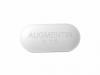

Augmentin (Amoxicillin/Clavulanate): Uses, Dosage, Safety and Ordering
Augmentin combines amoxicillin with clavulanate potassium. Clavulanate helps protect amoxicillin from certain bacterial enzymes, allowing the combination to treat selected susceptible bacterial infections. It is prescribed for appropriate respiratory, sinus, ear, skin, dental, urinary, and other infections. It does not treat viral colds or influenza.
Before you buy Augmentin, confirm the exact formulation, strength, quantity, and duration. The Augmentin price can vary by tablet or suspension form, clavulanate ratio, insurance, pharmacy, and generic availability. Different products are not interchangeable simply because the amoxicillin amount looks similar.
Indications
Augmentin is used when a clinician judges that amoxicillin/clavulanate is appropriate for the likely or confirmed bacteria. Use only for the diagnosed infection and take the full prescribed course unless the prescriber tells you otherwise. Leftover antibiotics, dose sharing, and stopping early can cause treatment failure and contribute to resistance.
Dosage
Take Augmentin exactly as directed, usually at the start of a meal to improve absorption and reduce stomach upset. Common adult tablets include 250 mg/125 mg, 500 mg/125 mg, and 875 mg/125 mg amoxicillin/clavulanate. Suspensions may include 125 mg/31.25 mg per 5 mL, 200 mg/28.5 mg per 5 mL, 400 mg/57 mg per 5 mL, and 600 mg/42.9 mg per 5 mL. You can buy Augmentin 250 mg/125 mg, buy Augmentin 500 mg/125 mg, or buy Augmentin 875 mg/125 mg only when that exact product is prescribed.
Use a calibrated oral syringe for liquid medicine and ask the pharmacist about refrigeration and discard instructions. Do not substitute chewable tablets, extended-release tablets, or suspension without approval. For a missed dose, take it when remembered unless the next dose is near; do not double. Compare the Augmentin price only for the prescribed formulation.
Safety Information
Do not use Augmentin if you have had serious hypersensitivity to penicillin, amoxicillin, clavulanate, or another beta-lactam antibiotic. It is also generally avoided in patients with a previous Augmentin-associated cholestatic jaundice or hepatic dysfunction. Discuss kidney or liver disease, mononucleosis, colitis, pregnancy, breastfeeding, and past drug reactions.
Diarrhea, nausea, vomiting, rash, and thrush may occur. Seek urgent help for hives, breathing difficulty, swelling of the face or throat, severe skin reaction, severe or bloody diarrhea, persistent abdominal pain, dark urine, or yellow skin or eyes. Do not ignore severe diarrhea during or after antibiotic treatment.
Interactions
Tell the prescriber about warfarin, allopurinol, probenecid, methotrexate, and other antibiotics. Vomiting or severe diarrhea can reduce absorption of oral medicines. Provide a complete medication and supplement list.
Contact the prescriber if diarrhea is severe, persistent, or bloody, including after the course has finished. Ask the pharmacist to confirm storage and disposal instructions for a reconstituted suspension; refrigeration requirements and beyond-use dates are product-specific. Keep liquid medicine away from children and do not freeze it unless the label permits this.
Keep the original label available when discussing the medicine with another clinician or pharmacist, especially during urgent visits.
FAQ
Can I buy Augmentin without a prescription? No. It requires a prescription.
Why is the Augmentin price different between products? The strength and clavulanate ratio, dosage form, quantity, and coverage vary.
Can I substitute one liquid strength for another? No. Ask the pharmacist; products have different component ratios.
Disclaimer
This page is general education and does not replace clinician assessment, official labeling, or pharmacist advice. Seek emergency care for severe allergy or serious symptoms.


