


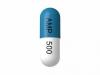

Ampicillin: Uses, Dosage, Safety and Pharmacy Information
Ampicillin is a penicillin-class antibiotic used for certain susceptible bacterial infections. Its use depends on the infection site, culture results when available, local resistance patterns, allergy history, kidney function, and other clinical factors. It is not effective for viral colds, influenza, or most uncomplicated viral sore throats.
Before you buy Ampicillin, verify the prescription, dosage form, strength, quantity, and treatment duration. The Ampicillin price can differ by capsule or suspension form, pharmacy, coverage, and supply. Never reuse an old antibiotic prescription or choose a product strength based on an online listing.
Indications
Ampicillin may be prescribed for selected respiratory, urinary, gastrointestinal, skin, or other bacterial infections. The prescriber determines whether it is suitable and whether testing is needed. Take the entire prescribed course unless told otherwise. Skipping doses, saving capsules, or sharing medicine can compromise treatment and promotes resistance.
Dosage
Take Ampicillin precisely as directed. Capsules are commonly available as 250 mg and 500 mg; oral suspension strengths may include 125 mg/5 mL and 250 mg/5 mL. You can buy Ampicillin 250 mg or buy Ampicillin 500 mg only when that strength is on the prescription. The timing in relation to meals can matter for absorption, so follow the pharmacy label and prescriber instructions exactly.
Measure a liquid dose with an oral syringe or calibrated cup, not a household spoon. Ask about storage and the beyond-use date after a suspension is mixed. If a dose is missed, take it when remembered unless it is close to the next dose; do not double. The Ampicillin price should be compared only for the identical prescribed form and quantity.
Safety Information
Do not use ampicillin if you have experienced a serious allergy to penicillin, ampicillin, or another beta-lactam antibiotic. Tell the clinician about kidney disease, mononucleosis, prior antibiotic-associated colitis, asthma, severe allergies, pregnancy, breastfeeding, and all previous medication reactions. A rash should be assessed rather than ignored.
Possible effects include nausea, diarrhea, vomiting, rash, and yeast overgrowth. Seek urgent care for hives, facial or throat swelling, breathing difficulty, severe blistering rash, persistent watery or bloody diarrhea, or severe abdominal pain. Contact the prescriber if symptoms do not improve or if new fever appears during treatment.
Interactions
Review warfarin and other anticoagulants, allopurinol, probenecid, methotrexate, oral typhoid vaccine, and other antibiotics with a pharmacist or prescriber. Give the care team a complete list of medicines and supplements.
Contact the prescriber if diarrhea becomes severe or continues after treatment. This can be a sign of antibiotic-associated colitis and should not be managed by taking extra doses. For recurrent or persistent infection, clinicians may need a sample for culture before changing therapy. Avoid taking a borrowed antibiotic while waiting for an appointment.
Keep the medicine in its labeled container.
FAQ
Can I buy Ampicillin without a prescription? No. A clinician must select the antibiotic.
Does the Ampicillin price cover liquid and capsules equally? No. Form, strength, quantity, and coverage differ.
Can I stop when symptoms improve? No. Follow the prescribed course unless the prescriber changes it.
Disclaimer
This content is general information and does not replace personal medical advice, product labeling, or pharmacist counseling. Seek urgent care for severe allergy or serious symptoms.


