


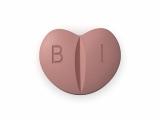
Generic Bisoprolol ( Bisoprolol )

Bisoprolol: uses, dosage, safety, and treatment guidance
Bisoprolol is a beta-1 selective adrenergic receptor blocker used to treat hypertension and, in appropriate formulations and regions, stable chronic heart failure. The active ingredient is bisoprolol fumarate, marketed in various regions under Zebeta, Concor, and generic bisoprolol.
- Indications: hypertension; stable chronic heart failure as part of guideline-directed therapy; selected angina or heart-rate uses under local practice.
- Dosage: usually once daily, started low and titrated according to indication, heart rate, blood pressure, kidney or liver function, symptoms, and concurrent cardiac therapy.
- Contraindications: cardiogenic shock, overt decompensated heart failure requiring intravenous support, marked sinus bradycardia, or advanced atrioventricular block without a pacemaker.
What is Bisoprolol used for?
Bisoprolol is prescribed for carefully selected patients when its expected clinical benefit outweighs its condition-specific risks.
Hypertension; stable chronic heart failure as part of guideline-directed therapy; selected angina or heart-rate uses under local practice. Diagnosis matters because similar symptoms can arise from conditions that need different treatment. A prescriber considers medical history, current medicines, examination findings, laboratory data, and treatment goals before choosing this drug.
How does Bisoprolol work?
It selectively blocks beta-1 receptors in the heart, lowering rate, contractility, conduction, and renin release. Selectivity diminishes at higher doses, so respiratory effects remain possible.
The pharmacologic effect does not make the medicine suitable for every person with similar symptoms. Patients who plan to buy Bisoprolol should verify the diagnosis and prescription first, because Bisoprolol price cannot substitute for clinical selection, monitoring, or authentic supply.
How should Bisoprolol be taken or used?
Take at the same time daily and follow the slow titration schedule. Do not stop abruptly because angina, arrhythmia, hypertension, or heart-failure deterioration can occur. Monitor pulse, blood pressure, weight, and breathing if instructed.
Read the dispensing label every time, use the correct measuring or administration device, and never share prescription medicine. Contact the care team before changing the schedule, crushing a dosage form, switching formulations, or stopping long-term therapy.
Which Bisoprolol dosage variants are available?
Common marketed variants include 1.25 mg, 2.5 mg, 3.75 mg, 5 mg, 7.5 mg, and 10 mg tablets depending on market and heart-failure titration packs.
Availability and licensed indications differ by country and manufacturer. When comparing where to buy Bisoprolol 1.25 mg, 2.5 mg, 3.75 mg, 5 mg, 7.5 mg, and 10 mg tablets depending on market and heart-failure titration packs, confirm the precise strength, dosage form, route, and package directions rather than choosing by Bisoprolol price alone. Products with different release characteristics, concentrations, or routes may not be interchangeable.
What are the most common side effects of Bisoprolol?
The more frequently reported effects include fatigue, dizziness, slow heartbeat, headache, cold extremities, nausea, diarrhea, and sleep disturbance.
Not every patient experiences these reactions, and their likelihood depends on dose, formulation, duration, health status, and other medicines. Record when symptoms begin and whether they follow a dose. Persistent, worsening, or function-limiting effects should be discussed rather than managed by an unapproved dose change.
Which serious effects require urgent medical care?
Fainting, severe wheezing, very slow pulse, chest pain, blue extremities, or worsening heart failure with rapid weight gain or swelling requires urgent care. Hypoglycemia warning signs can be masked.
Emergency warning signs should not be watched at home while waiting for the next routine appointment. Bring the medication package and a current medicine list when seeking urgent help so clinicians can identify the active ingredient, strength, and possible interaction.
Which medicines and substances interact with Bisoprolol?
Verapamil, diltiazem, digoxin, amiodarone, clonidine, other antihypertensives, and anesthetics can add bradycardia or hypotension. NSAIDs may reduce blood-pressure control, while insulin and sulfonylureas increase concern about masked hypoglycemia.
Give the prescriber and pharmacist a complete list of prescription drugs, nonprescription products, vitamins, supplements, and recreational substances. Interaction risk can arise when another drug is started, stopped, or dose-adjusted, even after a stable period on treatment.
Can Bisoprolol be used with alcohol?
Alcohol advice depends on the indication, formulation, organ function, and other medicines, so an individualized recommendation is safer than assuming that moderate use is harmless.
Alcohol may worsen dizziness, sedation, dehydration, low blood pressure, impaired glucose control, gastrointestinal irritation, or liver stress where those effects are relevant. Avoid alcohol when the prescriber or product information advises it, and never drive when treatment or alcohol impairs alertness.
Is Bisoprolol safe during pregnancy or breastfeeding?
Use during pregnancy only when clinically necessary because fetal growth and newborn heart rate or glucose may be affected. Breastfeeding decisions require assessment of infant age and alternative beta blockers.
Tell the prescriber about pregnancy plans, a positive test, breastfeeding, or fertility concerns before treatment whenever possible. Exposure decisions should consider gestational timing, dose, route, untreated disease, safer alternatives, and infant factors.
What monitoring is needed during Bisoprolol treatment?
Measure blood pressure, pulse, weight, edema, exercise tolerance, heart-failure symptoms, kidney and liver function, glucose awareness, and breathing. Worsening during titration requires prompt review.
Keep scheduled reviews and report new symptoms between visits. Monitoring is intended to detect loss of effectiveness, organ toxicity, interaction effects, and the need for dose adjustment before a preventable complication becomes severe.
What should be done after a missed dose or overdose?
Take a missed dose when remembered unless the next is near and never double. Overdose can cause profound bradycardia, hypotension, bronchospasm, low glucose, heart failure, or shock and needs emergency care.
Do not induce vomiting or improvise a corrective dose. Exact advice depends on the amount, time, formulation, symptoms, age, and medical history, so provide those details promptly to a poison center or emergency clinician.
How should Bisoprolol be stored and obtained?
Store tablets at labeled room temperature protected from moisture and heat. Keep titration strengths in original packaging to prevent dose confusion.
Before deciding to buy Bisoprolol, confirm the authorized dosage form, intact packaging, expiration date, and required monitoring. Bisoprolol price should remain secondary to prescription accuracy, storage integrity, and licensed dispensing.
People who buy Bisoprolol should use a licensed pharmacy and contact a qualified clinician if the supplied product differs from the prescription or expected appearance.
Medical information disclaimer
This page provides general education and does not replace diagnosis, prescribing, monitoring, or emergency care. Follow the instructions supplied by the treating clinician and the medicine’s approved local labeling.


| 郵送方法 | 配信時間 | 価格 | |
 航空便サービス 配信 航空便サービス 配信 |
14-21 日 | 10$ | トラッキング#入手可能 4 日 |
 追跡サービス 配信 追跡サービス 配信 |
9-14 日 | 30$ | トラッキング#入手可能 2 日 |
- ワールドワイドシッピング
- 秘密性と匿名の保証
- 安全·安心な
- 控えめ探しパッケージ
- 24時間以内発送受注
- 100%成功の配信