


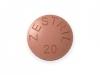

Zestril (Lisinopril): Hypertension, Dosage, Safety and Pharmacy Information
Zestril is the brand name for lisinopril, an ACE inhibitor prescribed to lower blood pressure and used in selected patients with heart failure or after acute myocardial infarction. By reducing formation of angiotensin II, lisinopril helps blood vessels relax and lowers the workload on the heart. It is a prescription medicine: its benefit depends on the diagnosis, dose, kidney function, concurrent therapies, and regular clinical review.
Patients who plan to buy Zestril should first confirm the prescription’s exact strength and formulation. The Zestril price varies with dose, quantity, insurance, and availability of generic lisinopril. Pharmacy convenience does not replace follow-up: blood pressure, renal function, and potassium may need monitoring, especially after initiation or a dose change.
Indications
Zestril is used for hypertension. It may also be prescribed for heart failure and to improve survival after an acute heart attack in appropriately selected patients. It is not a treatment for sudden chest pain, stroke symptoms, collapse, or a hypertensive emergency. Those situations need urgent medical evaluation. The medication is often part of a broader plan that may include other cardiovascular medicines and individualized lifestyle measures.
Do not share tablets or use someone else’s dose. A clinician chooses therapy after considering blood-pressure readings, medical history, laboratory results, and other medicines. If you buy Zestril online, use only a licensed pharmacy that requests a valid prescription and offers access to a pharmacist.
Dosage
Take Zestril exactly as directed, at the same time each day, with or without food. Common tablet strengths include 2.5 mg, 5 mg, 10 mg, 20 mg, 30 mg, and 40 mg; not every strength is stocked in every market. buy Zestril 2.5 mg, buy Zestril 5 mg, buy Zestril 10 mg, buy Zestril 20 mg, buy Zestril 30 mg, and buy Zestril 40 mg. These are product identifiers, not instructions to self-select a dose.
Do not change the dose because the Zestril price is lower for a different tablet strength. Take a missed dose when remembered unless it is nearly time for the next one; never take two doses together. Your prescriber may adjust treatment gradually and request blood tests. Tell the care team if you have dehydration, vomiting, diarrhea, reduced fluid intake, or a new diuretic, as these can increase the risk of low blood pressure or kidney problems.
Safety Information
Do not use Zestril in pregnancy. ACE inhibitors can cause fetal harm. Tell a clinician immediately if you become pregnant. It is contraindicated in patients with a history of angioedema related to prior ACE-inhibitor treatment and should not be used by anyone allergic to lisinopril or its ingredients. Discuss kidney disease, dialysis, liver disease, diabetes, heart failure, and prior swelling reactions before starting.
Possible effects include dizziness, headache, fatigue, cough, nausea, diarrhea, and low blood pressure. Seek urgent care for swelling of the face, mouth, tongue, or throat; difficulty breathing; fainting; chest pain; markedly reduced urine; severe weakness; irregular heartbeat; or signs of severe allergic reaction. A dry cough should be discussed with the prescriber rather than treated by stopping the medicine independently.
Interactions
Tell the prescriber about potassium supplements, potassium-containing salt substitutes, potassium-sparing diuretics, NSAIDs, lithium, diuretics, insulin or other diabetes medicines, aliskiren, and sacubitril/valsartan. A required washout is needed when switching from sacubitril/valsartan because combining these treatments too closely can increase angioedema risk. Alcohol may increase dizziness. Bring a current list of all prescription, nonprescription, and herbal products to each appointment.
FAQ
Can I buy Zestril without a prescription? No. A valid prescription and pharmacist review are necessary.
Is the Zestril price the same as generic lisinopril? No. They may differ, and substitution rules depend on the prescription and local pharmacy practice.
Should I stop when my readings improve? No. Improved readings can mean the therapy is working; discuss any change with the prescriber.
Disclaimer
This page provides general information, not personal medical advice. It does not replace the product label, clinician assessment, or pharmacist counseling. Seek emergency help for severe symptoms and consult a qualified professional about treatment decisions.


